Dining Guide
BYOB Dining at Kenzo: What Pennsylvania Law Says About Bringing Your Own Wine or Beer
Many Chambersburg guests ask whether they can bring a bottle to dinner. Kenzo operates as a bring-your-own-beverage restaurant, and Pennsylvania law treats that differently from a fully licensed bar or restaurant. Here is how the rules work and what we ask of our guests.
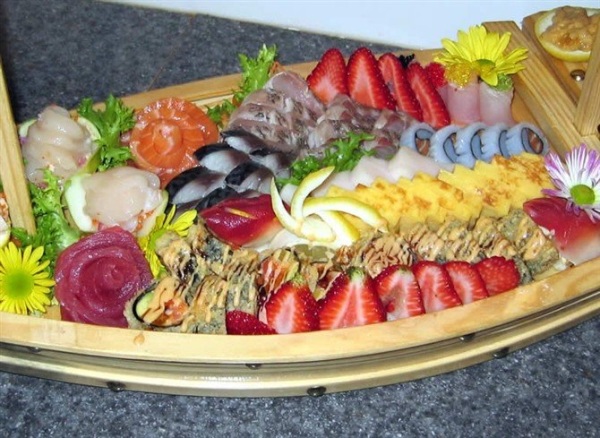
Kenzo does not sell alcohol on site; guests who want wine or beer with sushi or teriyaki may bring their own, within Pennsylvania law.
Licensed vs. Unlicensed Dining in Pennsylvania
Pennsylvania divides alcohol service into two very different worlds. A restaurant or bar that holds a liquor license from the Pennsylvania Liquor Control Board (PLCB) may sell beer, wine, and spirits according to the terms of that license. An unlicensed food establishment cannot sell or supply alcoholic beverages to patrons. Instead, many Pennsylvania restaurants—including Kenzo—operate under a bring-your-own-bottle (BYOB) model if local rules allow it.
The PLCB publishes Legal FAQs on its website to explain how state liquor law applies to common situations. Those FAQs clarify that unlicensed businesses are not permitted to sell alcohol, but patrons may sometimes bring their own under conditions that still respect the Liquor Code, local ordinances, and general public-safety rules. Reading the official FAQ page is the safest way to understand what is allowed before you pack a bottle for dinner.
What BYOB Means for Guests
When you dine BYOB in Pennsylvania, you—not the restaurant—are responsible for supplying the alcoholic beverage. The establishment provides food, non-alcoholic drinks such as water and soft drinks, glassware if offered, and the dining experience. You must be of legal drinking age, and you may not share alcohol with minors or serve visibly intoxicated guests.
State enforcement of liquor laws falls to the PLCB's Bureau of Liquor Control Enforcement (BLCE). BLCE investigators inspect licensed premises, investigate complaints, and enforce provisions of the Liquor Code that apply both to license holders and to situations where alcohol is consumed on unlicensed property. If a restaurant crosses the line—for example, by selling alcohol without a license—BLCE can take enforcement action. Guests also remain subject to laws against public drunkenness, driving under the influence, and furnishing alcohol to minors.
Rules the Restaurant Must Follow
An unlicensed BYOB restaurant cannot act like a bar. According to PLCB guidance summarized in its Legal FAQs, the business must not sell, furnish, or give away alcoholic beverages. That means no drink menus with alcohol prices, no house wine sold by the glass, and no "complimentary" beer that is really bundled into the food check. Staff may open bottles or pour drinks that guests brought, depending on house policy and local health rules, but the alcohol itself must come from the patron.
Some municipalities add their own zoning or nuisance rules about outdoor consumption or hours. Franklin County and Chambersburg guests should assume that standard Pennsylvania limits apply unless a local ordinance posted by the municipality says otherwise. When in doubt, call the restaurant before your reservation.
The PLCB Legal FAQs also remind license holders and the public that only the PLCB may sell wine and spirits at retail in most cases, which is why grocery and restaurant alcohol sales follow strict categories. BYOB sits outside that retail system entirely: you purchase alcohol from a PLCB-approved vendor (beer distributor, winery, or state store, depending on product) and consume what you lawfully bought when the unlicensed restaurant permits it.
Kenzo's BYOB Policy
Kenzo Japanese and Asian Fusion on Lincoln Way East operates as a bring-your-own-beverage restaurant. You may bring wine, beer, or other drinks to pair with sushi rolls, sashimi, hibachi, or wok entrees. Our staff serves water and soft drinks in the dining room, and we accept major credit cards for food. We do not sell beer, wine, or spirits on the premises.
Because we are not a PLCB-licensed alcohol seller, we follow the unlicensed-restaurant rules described in state guidance: we provide food and non-alcoholic service only, and guests supply any alcohol they wish to consume with their meal. If you need a refresher on hours, parking, or takeout, see our dining guide or the About Kenzo page.
Practical Tips for a Smooth BYOB Meal
Plan ahead the way you would for any Pennsylvania BYOB night out. Verify that everyone in your party who will drink is 21 or older and has valid ID. Drink responsibly, designate a driver, and remember that BLCE and local police still enforce DUI and disorderly-conduct laws even when the restaurant has no liquor license.
Many guests bring a crisp white wine or light lager to complement sushi, or a slightly sweeter wine with teriyaki and tempura. You are welcome to ask our servers for pairing suggestions based on what you ordered, even though we cannot recommend a specific brand we sell—because we do not sell alcohol on site.
Packaging matters for takeout: Pennsylvania law still restricts open containers in vehicles. Finish or securely reseal bottles before you drive home from Guilford Square.
How BYOB Differs From a Full Bar
Guests sometimes expect every Japanese restaurant to pour sake or beer at the table. In Pennsylvania, that requires a license, which involves quota limits, PLCB approval, and ongoing compliance costs. BYOB lets a food-focused restaurant like Kenzo keep menu prices centered on fresh fish and kitchen entrees while still letting you enjoy a bottle with dinner.
If you prefer not to bring alcohol, you can enjoy a full meal with tea, soda, or water. Lunch specials and combination platters are unchanged whether or not you BYOB.
Chambersburg visitors from Maryland or Virginia sometimes assume home-state carryout rules match Pennsylvania. They do not always. Confirm Pennsylvania requirements before traveling with opened containers, and remember that BLCE jurisdiction covers the commonwealth regardless of where the bottle was purchased.
Sources and Publication Dates
This article summarizes publicly available Pennsylvania guidance. Original publication or revision dates are listed below:
• Pennsylvania Liquor Control Board, Legal FAQs — ongoing reference on pa.gov (pa.gov)
• Pennsylvania Liquor Control Board, Bureau of Liquor Control Enforcement — enforcement authority described on PLCB materials (see Legal FAQs and BLCE pages on pa.gov)
Questions about whether a specific local ordinance affects outdoor BYOB should be directed to the municipality. Personal legal questions should be directed to a licensed attorney.