Food Safety
How Often Can You Eat Tuna Sushi? FDA and EPA Mercury Guidance Explained
Tuna is one of the most ordered sushi proteins in the United States, yet mercury guidance treats different tuna species differently. The joint FDA and EPA advice revised in October 2021 is still the benchmark for how often to enjoy tuna rolls and nigiri.
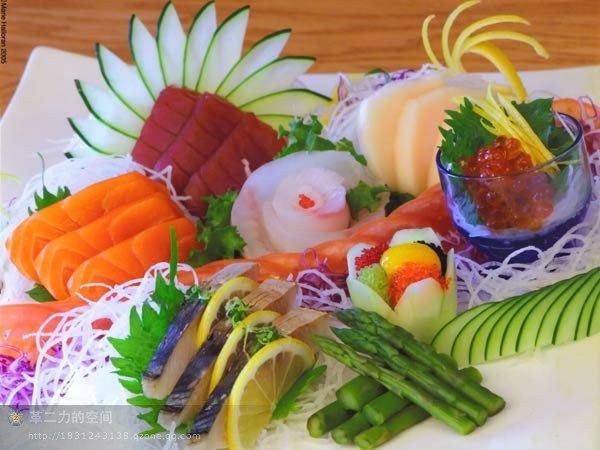
Mercury levels vary by tuna species; federal advice groups bigeye separately from many common sushi tunas.
Why Mercury Guidance Exists
Methylmercury accumulates in long-lived predatory fish. It crosses the placenta and affects developing nervous systems, which is why FDA and EPA focus on people who are pregnant, might become pregnant, breastfeeding, or feeding young children. Healthy adults still benefit from knowing which fish are lower in mercury so they can eat seafood regularly without exceeding sensible limits.
In October 2021, FDA and EPA replaced older, text-heavy fish advisories with an updated Advice about Eating Fish chart sorting species into Best Choices, Good Choices, and Choices to Avoid. A companion questions-and-answers page clarifies serving sizes and canned tuna distinctions.
Local sport-caught fish may follow separate state advisories. This article focuses on commercial tuna served in restaurants and stores, which is what most Kenzo guests encounter when ordering maguro or spicy tuna rolls.
Serving Sizes Used in the Chart
The 2021 advice defines a serving for adults as 4 ounces of fish before cooking (about the size of the palm of your hand). For children ages 1 to 11, serving size depends on age and is listed on the FDA chart. Weekly recommendations are expressed as:
• Up to 2 to 3 servings per week from the Best Choices list (8 to 12 ounces total for adults), or
• 1 serving per week from the Good Choices list, not combined with multiple Best Choice servings in the same week beyond the chart limits
Sushi pieces are small, but mercury adds up across a week that includes tuna rolls, tuna nigiri, and canned tuna sandwiches. Count every source toward the same weekly total.
Tuna Categories That Matter for Sushi
Not all tuna is labeled the same on a menu. Federal guidance highlights these distinctions:
• Bigeye tuna appears among Choices to Avoid because of higher mercury. That includes some sushi-grade bigeye used in certain specialty items.
• Albacore (white) tuna—whether canned or served as sushi—is generally treated as a Good Choice, meaning lower weekly servings than the Best Choices group.
• Canned light tuna is typically skipjack or similar species and usually falls among Best Choices in FDA examples, making it a more frequent option in non-sushi meals.
• Other fresh tuna used in sushi, such as yellowfin, appears in the chart in the Best or Good columns depending on species data—check the current FDA chart for the exact listing.
When you order "tuna roll" or "maguro" at Kenzo, ask which species is in that day's delivery if mercury exposure is a concern for your household.
Who Should Be Most Cautious
FDA and EPA emphasize that people in sensitive life stages should prioritize lower-mercury Best Choices such as salmon, shrimp, pollock, catfish, and many other common options. They should avoid Choices to Avoid entirely, including shark, swordfish, king mackerel, tilefish from the Gulf of Mexico, and bigeye tuna.
For Good Choices species—including albacore tuna—pregnant and breastfeeding individuals should limit to one serving per week and choose other Best Choices for additional meals. Children should eat smaller portions from the age-based table. These limits support brain development while preserving the nutritional benefits of fish.
Men and non-pregnant adults still accumulate mercury over time, though tolerances differ. Spacing high-mercury sushi orders across weeks is a reasonable habit even when you are not in the groups highlighted on the FDA chart.
Balancing Nutrition and Limits
Fish provides protein, omega-3 fats, and other nutrients. The 2021 advice explicitly encourages eating fish within mercury limits rather than avoiding all seafood. For many Chambersburg families, that means rotating sushi orders: salmon or shrimp one week, a modest amount of tuna the next, and cooked kitchen entrees whenever you want a break from raw fish.
Canned tuna at home follows the same chart. Light tuna more often; albacore less often; bigeye not at all for sensitive groups.
The October 2021 revision kept the scientific goal of reducing mercury while encouraging fish consumption. FDA's Q&A page notes that previous advice sometimes led people to avoid fish entirely; the chart format is meant to make lower-mercury choices easier to see at a glance.
Practical Ordering at Kenzo
Our menu mixes tuna rolls, spicy tuna, nigiri, and non-tuna options across the basic and chef's roll pages. Guests watching mercury can:
• Choose salmon, eel, shrimp, or vegetable rolls more frequently
• Limit albacore or unknown tuna species to one serving per week if you are in a sensitive group
• Select fully cooked teriyaki, tempura, or hibachi entrees on weeks when you already ate tuna elsewhere
• Split a tuna roll among the table so no single diner exceeds personal weekly targets
Staff can point you toward cooked alternatives from the teriyaki and hibachi menu when you prefer to skip raw tuna entirely.
Track mercury across your whole diet, not just restaurant visits. A tuna poke bowl, a spicy tuna roll, and white albacore salad in the same week can exceed Good Choice limits even when each meal seemed small on its own. Spreading those choices across different weeks keeps cumulative exposure closer to FDA and EPA examples.
Sources and Publication Dates
This article summarizes publicly available federal guidance. Original publication or revision dates are listed below:
• FDA and EPA, Advice about Eating Fish — revised October 2021 (fda.gov)
• FDA, Questions and Answers from the FDA/EPA Advice about Eating Fish — supporting the October 2021 revision (fda.gov)
Personal medical questions about mercury exposure should be directed to a licensed healthcare provider.