Food Safety
Sesame Allergies and Sushi: What the FASTER Act Changed for Diners
Sesame seeds top many sushi rolls and appear in oils and sauces across Asian fusion menus. Since January 2023, sesame has also been a labeled major allergen on packaged foods in the United States— but restaurant meals follow different rules.
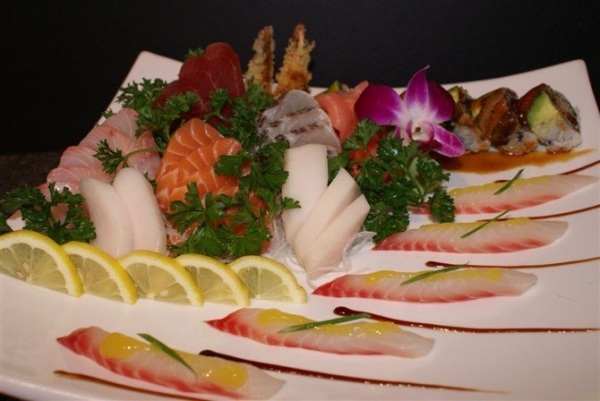
Sesame is a common garnish on rolls and can hide in marinades, dressings, and shared prep surfaces.
Sesame as the Ninth Major Allergen
For years, sesame sat in a labeling gray area on many U.S. products. Congress addressed that gap through the Food Allergy Safety, Treatment, Education, and Research (FASTER) Act, signed into law on April 23, 2021. The law added sesame to the list of major food allergens that must be declared on packaged foods regulated by the FDA.
Implementation took effect January 1, 2023. After that date, FDA-regulated labels must clearly identify sesame when it is an ingredient, using plain language consistent with other major allergens such as milk, egg, wheat, soy, peanut, tree nuts, fish, and crustacean shellfish. Manufacturers could no longer rely on vague spice listings to hide sesame on ingredient panels. The FDA's consumer update Allergic to Sesame? Food Labels Now Must List Sesame as an Allergen explains what shoppers should look for in grocery aisles.
Where Sesame Shows Up in Japanese and Fusion Cooking
Sushi and Asian fusion menus use sesame in ways that are not always obvious from the dish name alone. Common sources include:
• Toasted sesame seeds sprinkled on rolls, nigiri, or salads
• Sesame oil in dressings, dipping sauces, and fried-rice finishes
• Tahini-style pastes or blended sauces in fusion rolls
• Shared fryers, grills, or cutting boards that contact sesame garnishes
Even when a roll lists only fish and rice, cross-contact in a busy sushi bar can matter for guests with severe allergy. Garnish stations and shared squeeze bottles are frequent contact points. That is why communication with the kitchen remains essential regardless of federal label law.
Packaged Labels vs. Restaurant Meals
The FASTER Act allergen-declaration rules apply to FDA-regulated packaged foods sold in stores—not to menu items prepared fresh in a restaurant kitchen. When you buy a sealed bottle of sauce at a supermarket, the ingredient list must declare sesame after January 2023 if present. When you order a custom roll at Kenzo, there is no standardized Nutrition Facts panel on the plate.
Instead, restaurants rely on recipes, staff training, and guest disclosure. Pennsylvania food code requires operators to know their ingredients and to respond honestly to allergy questions, but it does not mirror every packaged-label format. Diners with sesame allergy should tell the server before ordering, ask about oils and garnishes, and consider simpler items with fewer sauces when risk tolerance is low.
Some guests notice sesame appearing on labels of foods that previously seemed sesame-free as manufacturers reformulate to declare the allergen clearly. That transparency helps shoppers but does not automatically change restaurant recipes. Always confirm with staff even if a similar packaged sauce now lists sesame at the grocery store.
Questions to Ask Before You Order
A clear conversation prevents most avoidable reactions. Useful questions include:
• Does this roll receive sesame seeds on the outside or inside?
• Is sesame oil used in the spicy mayo, eel sauce, or house dressing?
• Can the sushi line use clean utensils and a fresh prep surface for my order?
• Which kitchen items are safest if I must avoid all sesame and cross-contact?
Write down the exact menu name of the dish so staff can confirm ingredients with the chef. If you carry epinephrine for anaphylaxis, keep it accessible and mention the allergy even for meals you have eaten safely elsewhere—recipes change.
Buffet-style events and party trays raise extra cross-contact risk because garnishes are applied in bulk. For catered orders from any restaurant, confirm sesame-free preparation in writing when allergies are severe.
How Kenzo Handles Allergy Conversations
Kenzo serves both raw sushi and cooked wok or hibachi items from the same restaurant. That variety helps guests find sesame-free options such as plain nigiri, many teriyaki plates, or rolls ordered without exterior seeds—but only when staff know about the allergy in advance.
We encourage guests to speak with a manager on busy nights so the sushi bar and kitchen can coordinate. Full allergen-free guarantees are difficult in any open kitchen, but accurate ingredient answers and reasonable accommodation requests are part of responsible service in Chambersburg.
Online ordering and faxed takeout requests should repeat allergy notes in the comments field. Phone staff may not be the same team assembling sushi an hour later, so written reminders reduce miscommunication.
Shopping and Dining Together
If you manage sesame allergy at home and at restaurants, combine both sets of rules. Use FASTER Act-compliant labels when buying groceries, and use direct restaurant communication when eating out. Teach children and caregivers the difference so they do not assume a "safe" packaged snack means every restaurant dish with a similar name is identical.
For other sushi-related health topics, see our guides on raw fish safety and why sushi rice is acidified for food safety.
Asian fusion menus may also include bun, salad, or noodle dishes finished with sesame oil while sushi items use seeds. Mention the allergy once for the whole table so both the sushi bar and hot kitchen hear the same instructions. Repeating the allergy when dessert or extra sauces arrive closes a common gap in long meals.
Sources and Publication Dates
This article summarizes publicly available federal guidance. Original publication or revision dates are listed below:
• FDA consumer update, Allergic to Sesame? Food Labels Now Must List Sesame as an Allergen (fda.gov)
• Food Allergy Safety, Treatment, Education, and Research (FASTER) Act — enacted April 23, 2021 (Pub. L. 117-11)
Allergy diagnosis and emergency treatment plans should come from a licensed healthcare provider.